
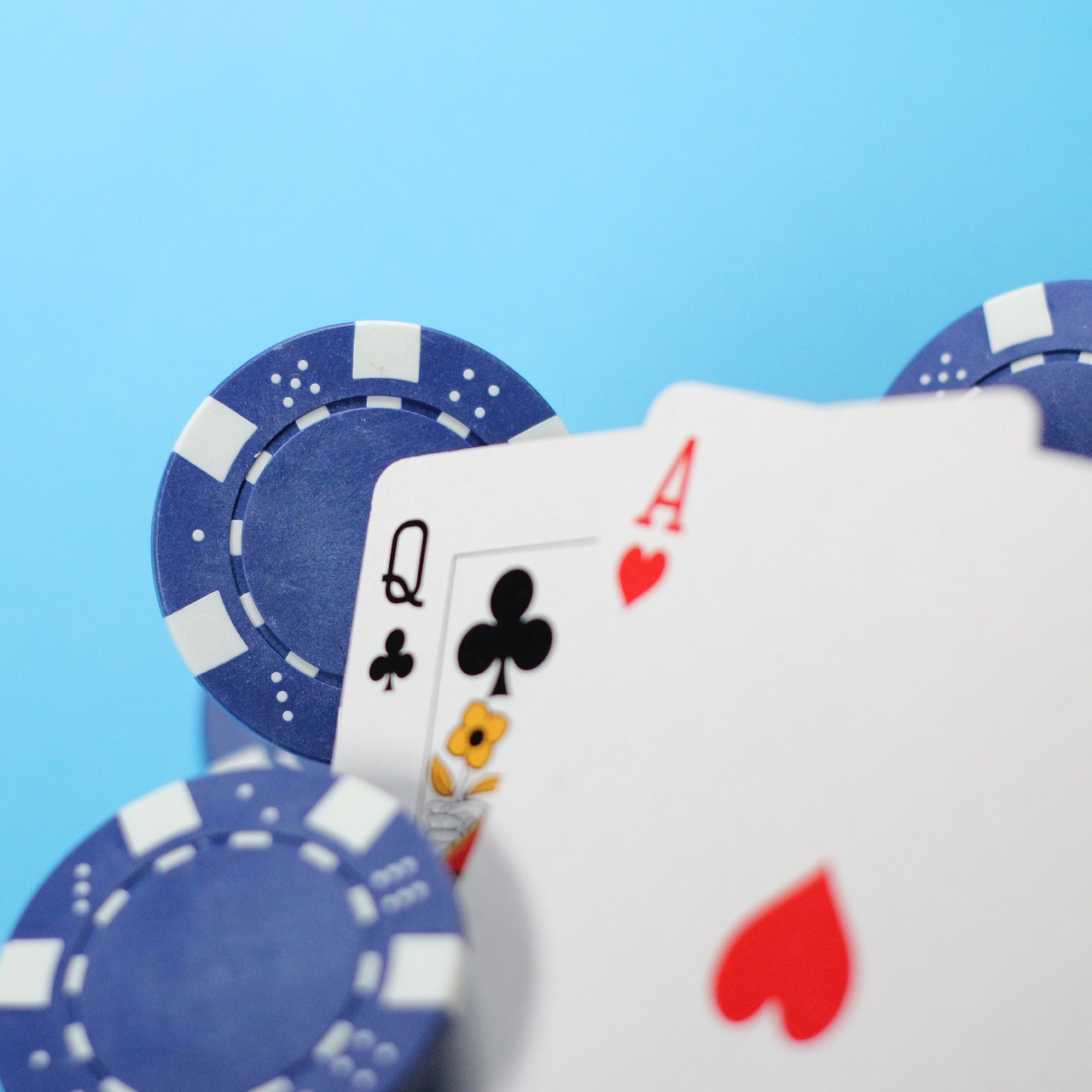
Every casino floor tells the same joke: the house always wins. It's printed on t-shirts, muttered by losing punters, and quoted by every uncle who's ever watched you open a poker app. But here's the thing—if the house always won, nobody would play. The truth is messier. The house wins on average, over millions of hands, spins and rolls. Individual players, on individual nights, absolutely can walk away ahead. The gap between those two realities is where every serious iGaming decision lives.
Understanding that gap isn't about finding a magic system. It's about knowing which games are beatable, which are pure entertainment with a cost, and where your money actually goes when you click "bet."
The house edge is the mathematical advantage the casino holds on every wager. It's not a fee you pay upfront. It's baked into the payout structure, quietly skimming value on each bet even when you win.
Concrete numbers matter here. A standard American roulette wheel has a 5.26% house edge thanks to that extra double-zero pocket. European roulette cuts it to 2.70%. Blackjack played with basic strategy drops to roughly 0.5%—one of the best bets on any floor. Slot machines, depending on jurisdiction and volatility, typically run between 2% and 10%, with many online slots sitting around 4–6%. Keno? Often 25–35%, which is why it feels like a lottery ticket in disguise.
That 0.5% blackjack edge versus a 35% keno edge is the difference between a slow bleed and a cliff. Serious players gravitate toward the low-edge games not because they're guaranteed to win, but because their money lasts longer and variance has more room to work in their favor. Further details are available through tylenhacai.org.mx.
Slots are the engine of the iGaming industry—roughly 70–80% of casino revenue in most markets. They're also the game most players misunderstand.
Every spin is independent. There's no "due" jackpot, no hot machine, no cold streak to wait out. A slot that just paid a massive jackpot is exactly as likely to pay again on the next spin as it was before. This is true for physical cabinets and online RNG-driven games alike.
What does matter:
Treat slots as what they are: carefully engineered entertainment with a known cost per hour. Nothing wrong with that—just don't confuse it with investing.
Most casino games can't be beaten long-term through skill. Blackjack and poker can. Video poker, played optimally, sits close behind.
Blackjack is famous for card counting, but that's a rabbit hole most casual players should avoid—modern shuffling machines and 6:5 payout tables have gutted the advantage. What does work for regular players is memorizing basic strategy: a chart that tells you exactly when to hit, stand, double or split based purely on your hand and the dealer's upcard. Following it perfectly pushes the edge down to half a percent and turns a losing hobby into a near-break-even one.
Poker is the outlier. You're not playing against the house; you're playing against other people, and the house just takes a rake. Skilled players genuinely profit. But "skilled" is doing heavy lifting in that sentence. Grinders spend years refining range construction, position awareness, bet sizing and bankroll management. Watching a few YouTube tutorials won't cut it. If you're new to poker, treat it as a learning expense, not income.
Sports betting feels more knowable than roulette. You watch the games. You follow the stats. But bookmakers aren't in the business of predicting outcomes—they're in the business of pricing them with a margin.
A typical two-way market on a football match might show odds like 1.90 and 1.90. Those imply a 52.6% chance each (100 / 1.90). Add them together and you get 105.2%. That extra 5.2% is the bookmaker's margin, also called the vig or juice. Fair odds would be 2.00 and 2.00.
Sharper markets—major soccer leagues, NFL spreads, big tennis tournaments—often run 2–4% margins. Niche markets like first goalscorer or esports props can hit 10% or more. If you can't explain why your pick is mispriced, you're not betting against the house; you're donating to it.
Here's the uncomfortable truth: most iGaming losses don't come from bad luck. They come from poor stake sizing, chasing losses, and playing with money that shouldn't be on the table.
A few rules that actually hold up:
None of this guarantees profit. It guarantees survival, which is the prerequisite for any luck at all.
The house edge is real, the math doesn't negotiate, and anyone promising a guaranteed system is selling something. But "the house always wins" is a slogan, not a rulebook. It describes an aggregate, not your evening.
The smartest iGaming players aren't the ones who think they've cracked the code. They're the ones who pick low-edge games, understand RTP and margins, manage bankrolls ruthlessly, and treat everything else as paid entertainment. That's not a contradiction of the house advantage—it's how you live honestly within it.
Walk in knowing the cost. Walk out knowing why. That's the whole game.

Hi, my name is Anthony kuber. I am artist and fashion designer.
I love to travel and writing blogging.
Your email address will not be published. Required fields are marked *
Software Developer & Writer
Hey, I'm Diva, a developer and writer blending code and creativity. I'm driven by a deep curiosity and a relentless pursuit of excellence. Join me as I craft digital solutions and captivating stories.


